
Description
Product Overview
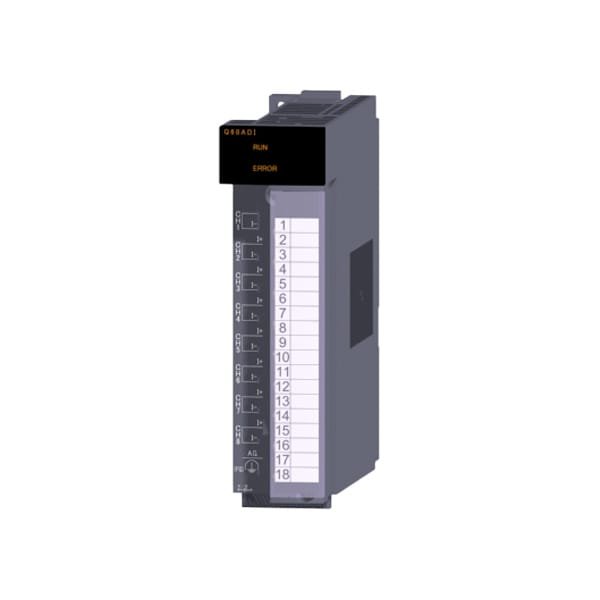
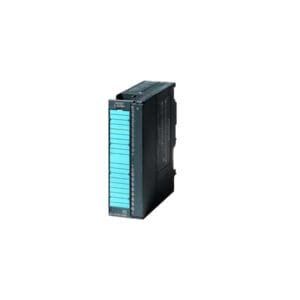
The Mitsubishi Electric Q68ADI is part of the MELSEC-Q series, offering 8 analog input channels for precise measurement of process variables. The module supports various input types, such as voltage and current signals, ensuring accurate and reliable data acquisition for industrial automation applications. Built for high durability, the Q68ADI ensures stable operation in demanding industrial environments. Its compact design and compatibility with MELSEC-Q PLCs make it an ideal choice for process control, data acquisition, and automation tasks requiring high accuracy.
Key Features
Official Product Name: Q68ADI
Mitsubishi Electric analog input module
8 analog input channels
Supports voltage and current signals
High-precision measurement capability
Compact and durable industrial design
Seamless integration with MELSEC-Q PLC systems
Ideal for process control and automation systems
Warranty & After-Sales
12-month warranty from delivery date
Comprehensive technical support
Replacement service for faulty units
Delivery Time
Standard delivery: 3–5 business days
Expedited shipping available upon request
Why Choose KaiRock
Trusted Mitsubishi automation products supplier
Competitive pricing for traders, integrators, and maintenance companies
Fast and reliable global delivery
Professional technical support for installation and commissioning
Applications
Process control systems
Factory automation
Data acquisition and measurement
Analog signal monitoring
Industrial automation requiring high-precision analog inputs
Reviews
There are no reviews yet.